Breakfast looks very different from one country to another. In some places, people begin the day with eggs, bacon, toast and coffee. In others, a bowl of porridge, fresh fruit, yoghurt or wholegrain bread is more common. Some cultures prefer a sweet breakfast built around pastries, jam and coffee, while others choose savoury foods such as eggs, tomatoes, beans, cheese or cured meats.
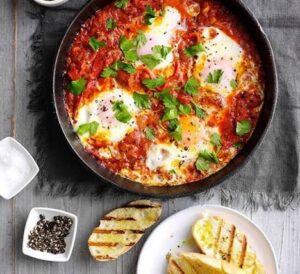
The United States, Canada, United Kingdom, New Zealand, Germany, France, Italy, Spain and Australia all have distinctive breakfast traditions. Modern lifestyles, international food trends and fast-food restaurants have also made breakfast menus increasingly diverse. A person can now choose between traditional local foods, café breakfasts, cereal, healthy breakfast bowls, bakery products, fast food and convenient takeaway meals.
This guide looks at what people commonly eat for breakfast in each of these countries. It covers the main breakfast ingredients, traditional dishes, typical calorie ranges, café and fast-food breakfast choices, healthier alternatives and the nutritional differences between popular meals.
Calories should always be regarded as estimates. A homemade breakfast can contain considerably fewer or more calories than the same type of meal purchased at a restaurant because of differences in portion size, cooking oil, butter, sugar, sauces and toppings.
The healthiest breakfast is also not necessarily the breakfast with the fewest calories. A nutritious breakfast should provide a useful combination of protein, fibre, carbohydrates, healthy fats, vitamins and minerals while keeping added sugar, excessive saturated fat and highly processed ingredients under control.
Breakfast Around the World
Breakfast is influenced by geography, climate, agriculture, culture, religion, economics and lifestyle. What is considered a normal breakfast in one country may seem unusual in another.
For example, an American breakfast may feature pancakes, eggs, breakfast sausage or a breakfast sandwich. A British breakfast may include baked beans and grilled tomatoes. A German breakfast commonly revolves around bread rolls, cheese, cold meats and eggs. A French breakfast is traditionally lighter and may include bread, butter, jam, croissants and coffee.
In Italy, breakfast is often simple and sweet, with a pastry and coffee. Spain has a strong tradition of toasted bread with tomato and olive oil, while New Zealand and Australia have developed breakfast cultures that combine British influences with modern café foods such as avocado toast, eggs and flat whites.
Canada shares many breakfast foods with the United States but has its own traditions, including strong associations with maple syrup, pancakes, oats and hearty country breakfasts.
Modern breakfast culture is increasingly international. People everywhere can now eat yoghurt bowls, smoothies, avocado toast, breakfast wraps, granola, eggs Benedict, pancakes, cereals and sandwiches regardless of where they live.
Why Breakfast Foods Are So Different
The traditional ingredients available in a country often influence its breakfast.
Countries with strong bread-making traditions commonly have bread, rolls and pastries at breakfast. Countries with dairy traditions frequently include milk, yoghurt and cheese. Areas where oats and grains are common have developed porridge, oatmeal and cereal-based breakfasts.
Climate also matters. In colder countries, warm porridge, eggs, bread and substantial breakfasts can be particularly popular. In warmer Mediterranean countries, breakfast may be lighter, with bread, fruit, coffee and yoghurt.
Working habits have also changed breakfast. Historically, some people ate substantial meals before physically demanding work. Modern office workers may prefer a quick coffee, cereal, toast or takeaway breakfast.
What Makes a Healthy Breakfast?
A healthy breakfast does not have to be complicated.
A useful breakfast can contain several of the following:
- Wholegrain bread
- Oats or other wholegrain cereals
- Fresh fruit
- Vegetables
- Eggs
- Plain yoghurt
- Milk
- Nuts and seeds
- Beans or legumes
- Lean poultry
- Fish
- Avocado
- Healthy vegetable oils
- Water, tea or coffee without excessive sugar
Protein can make breakfast more satisfying. Fibre from whole grains, vegetables, fruit, nuts and seeds can also help create a more filling meal.
A breakfast based mostly on refined flour, sugar and highly processed meat may be less balanced, particularly when combined with a sugary drink.
However, a pastry or traditional breakfast is not automatically unhealthy. The overall eating pattern matters. A person can enjoy a croissant, pancakes or bacon occasionally while maintaining a generally nutritious diet.
Breakfast Calories
There is no universal ideal calorie amount for breakfast.
A small breakfast might contain around 200 calories. A moderate breakfast might contain 300 to 500 calories, while a large restaurant breakfast can easily reach 700 to 1,200 calories or more.
Individual calorie needs depend on age, body size, activity level, occupation, appetite and total daily energy requirements.
The important question is therefore not simply “How many calories are in breakfast?” but also “What do those calories provide?”
For example, 300 calories from oats, berries, yoghurt and nuts provide a very different nutritional profile from 300 calories from a sugary pastry.
Breakfast in the United States
American breakfast culture is one of the most varied in the world. The United States has traditional breakfast foods, regional specialities, convenience foods, café breakfasts and extensive fast-food breakfast menus.
The classic American breakfast often includes eggs, bacon or sausage, toast, pancakes or waffles and coffee. However, millions of Americans also eat cereal, oatmeal, yoghurt, fruit, bagels, breakfast sandwiches, breakfast burritos and smoothies.
Breakfast habits vary considerably by region and household.
The Classic American Breakfast
A traditional American breakfast can include:
- Eggs
- Bacon
- Breakfast sausage
- Toast
- Hash browns
- Pancakes
- Waffles
- Butter
- Maple-style syrup
- Coffee
- Orange juice
- Fruit
A large breakfast combining eggs, bacon, sausage, hash browns and toast can easily contain 700 to 1,000 calories.
A lighter version consisting of two eggs, wholegrain toast and fruit might contain approximately 350 to 450 calories.
Eggs for Breakfast
Eggs are one of the most popular American breakfast ingredients.
They can be:
- Scrambled
- Fried
- Poached
- Boiled
- Baked
- Used in omelettes
- Added to breakfast sandwiches
- Combined with vegetables
- Served with potatoes
Two large eggs contain approximately 140 to 160 calories before additional cooking fats or toppings.
An omelette can range from approximately 250 calories for a simple vegetable omelette to more than 600 calories when cheese, bacon, sausage and cooking oil are added.
Bacon and Breakfast Sausage
Bacon is strongly associated with the American breakfast.
A small serving of bacon may provide approximately 80 to 150 calories, depending on the amount.
Breakfast sausage is generally more calorie-dense. A serving can contain approximately 150 to 300 calories, with larger restaurant portions sometimes containing considerably more.
These foods provide protein but can also contain substantial amounts of saturated fat and sodium. For everyday eating, eggs, beans, lean meats or plant-based protein can be useful alternatives.
American Pancakes
Pancakes are another classic breakfast food.
A basic stack can contain:
- Flour
- Milk
- Eggs
- Baking powder
- Salt
- Sugar
- Butter or cooking oil
Three medium pancakes without toppings may contain approximately 300 to 450 calories.
Adding butter and syrup can increase the meal considerably.
A large restaurant pancake breakfast can easily exceed 700 calories when butter, syrup, bacon and additional sides are included.
For a healthier pancake breakfast, wholegrain flour, fruit and plain yoghurt can be used, while syrup and butter can be kept moderate.
Waffles
Waffles are similar to pancakes but have a different texture because of their cooking method.
A plain waffle may contain approximately 200 to 350 calories. Toppings make the difference.
Fresh berries and yoghurt provide a more nutrient-dense topping than large amounts of whipped cream, chocolate sauce or syrup.
American Oatmeal
Oatmeal is one of the simplest healthier American breakfast choices.
A bowl made from oats and water may contain approximately 150 to 250 calories before toppings.
Common toppings include:
- Banana
- Berries
- Apples
- Cinnamon
- Nuts
- Seeds
- Peanut butter
- Milk
- Yoghurt
- Honey
Oatmeal can become a complete breakfast when combined with fruit, nuts or seeds and a source of protein such as yoghurt or milk.
Cereal
Breakfast cereal remains common in American households.
Traditional cereal breakfasts may contain:
- Corn-based cereal
- Wheat cereal
- Oat cereal
- Bran cereal
- Granola
- Muesli-style cereal
A bowl of cereal with milk may contain approximately 200 to 400 calories.
The nutritional quality varies enormously. Some cereals are relatively high in fibre and low in added sugar, while others contain substantial amounts of sugar.
Adding fresh berries or sliced banana can improve the nutritional profile without requiring large quantities of sugar.
Bagels
Bagels are another popular American breakfast food.
A plain bagel can contain approximately 250 to 350 calories depending on size.
Cream cheese can add another 100 to 200 calories or more.
A wholegrain bagel with a moderate amount of cream cheese, egg, avocado or lean protein can make a more balanced breakfast.
Breakfast Burritos
Breakfast burritos are particularly popular in parts of the United States.
Typical ingredients include:
- Tortilla
- Eggs
- Cheese
- Potatoes
- Bacon
- Sausage
- Beans
- Salsa
- Avocado
A breakfast burrito can contain approximately 400 to 800 calories, with oversized restaurant versions sometimes exceeding 1,000 calories.
A healthier version can use wholegrain tortillas, eggs, beans, vegetables, salsa and a moderate amount of cheese.
Avocado Toast
Avocado toast became a major modern breakfast trend in the United States.
A basic serving may contain approximately 250 to 450 calories depending on the bread and amount of avocado.
Adding an egg increases protein, while tomatoes, spinach or other vegetables increase the vegetable content.
Wholegrain bread generally makes a more fibre-rich foundation than highly refined white bread.
American Fast-Food Breakfast
Fast-food breakfast has become a major part of American food culture.

Typical fast-food breakfast menus may include:
- Egg sandwiches
- Sausage and egg sandwiches
- Bacon and egg sandwiches
- Breakfast burritos
- Breakfast biscuits
- Pancakes
- French toast
- Hash browns
- Breakfast potatoes
- Oatmeal
- Muffins
- Pastries
- Coffee
- Sweetened coffee drinks
- Fruit
- Orange juice
A simple egg sandwich may contain around 300 to 500 calories.
A sausage, egg and cheese sandwich can commonly reach 450 to 700 calories.
A breakfast burrito may contain approximately 400 to 800 calories.
A large breakfast combination with eggs, sausage, potatoes, toast and a sweet drink can exceed 900 calories.
Healthier American Fast-Food Breakfast
A healthier fast-food breakfast generally starts with portion control.
Good choices can include:
- Egg-based sandwich without extra processed meat
- Oatmeal with fruit
- Fruit
- Plain coffee
- Unsweetened tea
- Water
- Smaller breakfast sandwich
- Yoghurt where available
The biggest calorie increases often come from processed meat, cheese, sauces, large sides, sugary drinks and oversized portions.
Breakfast in Canada
Canadian breakfast culture has many similarities with American breakfast but also has distinctive national and regional characteristics.
Canadians commonly eat eggs, toast, oatmeal, cereal, pancakes, breakfast sandwiches, fruit, yoghurt and bacon.
Maple syrup is strongly associated with Canadian food culture and is particularly popular with pancakes and waffles.
Traditional Canadian Breakfast
A hearty Canadian breakfast can contain:
- Eggs
- Bacon
- Sausage
- Toast
- Hash browns
- Pancakes
- Maple syrup
- Fruit
- Coffee
A large breakfast plate can contain approximately 700 to 1,000 calories.
A smaller meal of eggs, wholegrain toast and fruit may contain approximately 350 to 450 calories.
Pancakes and Maple Syrup
Pancakes with maple syrup are among the most recognizable Canadian breakfast combinations.
Three medium pancakes may provide approximately 300 to 450 calories.
Maple syrup adds around 50 calories per tablespoon.
A large serving with butter and generous syrup can therefore become a 500 to 700 calorie meal before additional bacon or sausage is added.
Fresh berries provide sweetness and additional nutrients while allowing the amount of syrup to be reduced.
Canadian Oatmeal
Oatmeal is particularly suitable for Canada’s colder climate and remains a popular breakfast.
A basic bowl of oats may contain approximately 150 to 250 calories.
With milk, banana, berries, nuts and seeds, a complete bowl can contain around 300 to 500 calories.
Eggs and Toast
Eggs and toast provide a simple Canadian breakfast.
Two eggs plus two slices of toast can contain around 300 to 400 calories depending on cooking fat and bread type.
Adding tomatoes, spinach or mushrooms increases the vegetable content without dramatically increasing calories.
Breakfast Sandwiches in Canada
Breakfast sandwiches are common in cafés and fast-food restaurants.
Typical ingredients include:
- English muffin or bun
- Egg
- Cheese
- Bacon
- Sausage
- Ham
A basic egg sandwich may contain approximately 300 to 400 calories.
A bacon or sausage version with cheese can contain approximately 450 to 650 calories.
Canadian Fast-Food Breakfast
Fast-food breakfast in Canada often resembles American fast-food breakfast.
Common menu categories include:
- Egg sandwiches
- Breakfast wraps
- Bacon and egg sandwiches
- Sausage and egg sandwiches
- Breakfast muffins
- Hash browns
- Pancakes
- Oatmeal
- Coffee
- Sweetened coffee beverages
- Fruit
- Yoghurts
A typical fast-food breakfast sandwich may contain 300 to 600 calories.
A breakfast sandwich with processed meat, cheese and a large side can easily exceed 700 calories.
For a healthier option, choose an egg-based meal with vegetables or wholegrain ingredients when available, limit processed meats and select water or unsweetened coffee.
Breakfast in the United Kingdom
British breakfast culture is famous for the full English breakfast, but the everyday breakfast eaten by many people in the United Kingdom is often much simpler.
Common breakfast foods include:
- Toast
- Cereal
- Porridge
- Eggs
- Baked beans
- Bacon
- Sausages
- Mushrooms
- Tomatoes
- Fruit
- Yoghurt
- Tea
- Coffee
The British breakfast can therefore range from a small bowl of cereal to a very substantial cooked meal.
The Full English Breakfast
The full English breakfast is one of the world’s best-known traditional breakfasts.
A traditional plate can include:
- Bacon
- Sausages
- Fried or scrambled eggs
- Baked beans
- Grilled tomatoes
- Mushrooms
- Toast
- Fried bread
- Hash browns in some modern versions
The exact ingredients vary by restaurant and region.
A full English breakfast can contain approximately 700 to 1,200 calories.
The calorie level depends heavily on how much fried food, sausage, bacon, butter and bread are included.
A lighter full English can be made with:
- Grilled rather than fried ingredients
- Leaner sausages
- More mushrooms
- More tomatoes
- Baked beans
- Poached eggs
- Wholegrain toast
This can significantly reduce calories while preserving the traditional character of the meal.
Full Scottish Breakfast
A full Scottish breakfast may resemble a full English but can include additional regional foods such as potato scones, black pudding and different styles of sausage.
Because of the additional components, a large full Scottish breakfast can easily reach 800 to 1,200 calories.
Welsh and Irish Breakfast Traditions
Breakfast traditions vary throughout the United Kingdom and Ireland.
Irish-style cooked breakfasts may include eggs, bacon, sausages, tomatoes, mushrooms, beans and regional breads.
Welsh breakfasts can incorporate traditional Welsh ingredients and breads.
These meals tend to be hearty and are often associated with weekends, hotels and cafés rather than being an everyday breakfast for everyone.
British Porridge
Porridge is one of the healthiest traditional British breakfast options.
A bowl made from oats and milk can contain approximately 200 to 350 calories.
Adding berries, banana or apple provides additional fibre and vitamins.
Nuts and seeds add healthy fats and protein.
A bowl of porridge can therefore become a nutritionally complete breakfast without needing large amounts of sugar.
Toast
Toast is one of Britain’s most common breakfast foods.
Two slices of bread may contain approximately 150 to 250 calories depending on bread type and size.
Butter can add approximately 70 to 100 calories per tablespoon.
Wholegrain bread with eggs, beans, avocado or peanut butter can provide more nutrition than toast with a large amount of butter and sugary jam.
British Breakfast Cereals
Popular breakfast cereals include:
- Wheat biscuits
- Corn-based cereals
- Bran cereals
- Muesli
- Granola
- Porridge oats
A bowl of wholegrain cereal with semi-skimmed or lower-fat milk may contain approximately 200 to 350 calories.
Granola can be considerably more calorie-dense because of added oils, nuts and sweeteners.
British Fast-Food Breakfast
Fast-food and takeaway breakfast in the United Kingdom often includes:
- Bacon rolls
- Sausage sandwiches
- Egg sandwiches
- Breakfast wraps
- Hash browns
- Porridge
- Croissants
- Muffins
- Toasted sandwiches
- Coffee
- Tea
- Fruit
- Yoghurt
A bacon or sausage breakfast sandwich can contain approximately 350 to 600 calories.
A breakfast wrap can contain 400 to 700 calories.
A pastry and sweetened coffee combination can also reach 500 to 700 calories.
For a lower-calorie breakfast, porridge, fruit, plain yoghurt, wholegrain toast or an egg-based sandwich can be useful choices.
Breakfast in New Zealand
New Zealand breakfast culture combines British traditions with local ingredients and a strong modern café culture.
Breakfast foods commonly include:
- Toast
- Marmite or yeast extract spreads
- Eggs
- Bacon
- Sausages
- Baked beans
- Porridge
- Breakfast cereal
- Yoghurt
- Fruit
- Avocado
- Mushrooms
- Tomatoes
- Granola
- Muesli
- Coffee
Modern New Zealand cafés have also made foods such as eggs on toast, smashed avocado, eggs Benedict, breakfast bowls and granola increasingly popular.
New Zealand Cereal Breakfast
Breakfast cereal is common in New Zealand.
Wholegrain wheat cereals, oats, muesli and other grain-based products are frequently eaten with milk or yoghurt.
A typical cereal breakfast may contain approximately 200 to 400 calories depending on the cereal and milk.
Adding fruit can increase the meal to approximately 300 to 450 calories.
Weet-Bix-Style Breakfast
Pressed wheat biscuits are particularly recognizable in New Zealand breakfast culture.
A serving with milk may contain approximately 200 to 300 calories.
Banana, berries, yoghurt or seeds can turn it into a more substantial breakfast.
Eggs on Toast
Eggs on toast are a popular café and home breakfast.
Two eggs with two slices of wholegrain toast may contain approximately 300 to 450 calories.
Adding avocado can bring the total closer to 450 to 600 calories.
Adding vegetables such as spinach, mushrooms or tomatoes improves the nutrient density.
Avocado Breakfast
Avocado has become a major part of modern New Zealand café culture.
Avocado toast can contain approximately 300 to 500 calories.
The calorie content depends largely on the amount of avocado and bread.
An avocado toast topped with poached eggs can contain approximately 400 to 600 calories.
Big Café Breakfast
A large café breakfast can contain:
- Eggs
- Bacon
- Sausage
- Mushrooms
- Tomatoes
- Potatoes
- Toast
- Avocado
- Beans
Such a meal may contain 700 to 1,100 calories.
It can be nutritious because it contains vegetables and protein, but portion size and cooking oils can make the total energy content high.
New Zealand Fast-Food Breakfast
Fast-food breakfast in New Zealand commonly includes:
- Egg muffins
- Bacon and egg rolls
- Sausage and egg sandwiches
- Hash browns
- Pancakes
- Breakfast wraps
- Muffins
- Toast
- Coffee
- Fruit
- Yoghurt
A small breakfast sandwich may contain approximately 300 to 450 calories.
A bacon-and-egg meal with a hash brown and sweet drink can approach 600 to 800 calories.
A practical healthier combination is an egg-based sandwich, fruit and an unsweetened drink.
Breakfast in Germany
German breakfast, or Frühstück, is traditionally based heavily around bread, rolls and a variety of toppings.
A classic German breakfast may include:
- Bread rolls
- Wholegrain bread
- Cheese
- Cold meats
- Boiled eggs
- Butter
- Jam
- Honey
- Yoghurt
- Muesli
- Fruit
- Coffee
- Tea
Unlike a full English breakfast, the traditional German breakfast is often not centered around fried foods.
German Bread Breakfast
Bread and rolls are central to German breakfast culture.
A breakfast table may contain several types of bread and bread rolls.
Typical toppings include:
- Butter
- Cheese
- Ham
- Turkey
- Salami
- Jam
- Honey
- Quark
- Soft cheese
Two small bread rolls can contain approximately 150 to 250 calories.
Butter, cheese and cold meats can add another 200 to 400 calories depending on quantity.
A complete bread-based breakfast may therefore contain approximately 350 to 600 calories.
German Wholegrain Breakfast
Wholegrain bread provides more fibre than many refined bread products.
A healthy German breakfast can combine wholegrain bread with:
- Cottage cheese
- Quark
- Egg
- Tomato
- Cucumber
- Fruit
- Nuts
- Seeds
This creates a filling meal without relying heavily on processed meat.
German Muesli
Muesli is another important breakfast option.
A serving with milk or yoghurt and fruit can contain approximately 300 to 450 calories.
Granola-style products may contain more sugar and fat than traditional unsweetened muesli.
Adding fresh berries or an apple is an easy way to add flavour without relying heavily on added sugar.
German Eggs
Boiled eggs are common at breakfast.
One egg contains approximately 70 to 80 calories.
Two eggs with wholegrain bread, tomato and fruit can create a balanced breakfast of approximately 350 to 500 calories.
German Fast-Food Breakfast
German fast-food and takeaway breakfast often revolves around bakeries.
Typical choices can include:
- Bread rolls
- Pretzels
- Cheese rolls
- Ham rolls
- Egg sandwiches
- Croissants
- Yoghurt
- Muesli
- Coffee
- Cappuccino
A plain bread roll may contain approximately 100 to 150 calories.
A filled roll can contain 250 to 500 calories.
A large pastry with a sweet coffee can produce 400 to 700 calories without providing as much protein or fibre as an egg, wholegrain bread and yoghurt-based breakfast.
Breakfast in France
French breakfast is often lighter than the traditional cooked breakfasts associated with Britain and North America.
A classic French breakfast may include:
- Baguette
- Butter
- Jam
- Croissant
- Pain au chocolat
- Coffee
- Café au lait
- Hot chocolate
- Yoghurt
- Fruit
The French breakfast is frequently sweet rather than savoury.
French Tartine
Tartine is a simple French-style breakfast concept involving bread with toppings.
A common combination is baguette or another bread with butter and jam.
Two slices of bread with butter and jam may contain approximately 250 to 400 calories depending on portion size.
Wholegrain bread, less butter and fruit can make the meal more balanced.
Croissant
A plain butter croissant typically contains approximately 230 to 300 calories.
It contains flour and butter and is relatively energy-dense.
A croissant with coffee can be a perfectly reasonable occasional breakfast, but a breakfast consisting of several pastries every day provides less fibre and protein than many wholegrain-based alternatives.
Pain au Chocolat
Pain au chocolat is a laminated pastry containing chocolate.
A typical serving may contain approximately 280 to 400 calories.
Combining it with yoghurt or fruit can provide additional nutrients, although the pastry itself remains relatively high in refined carbohydrates and fat.
French Café au Lait
Coffee with milk can contain approximately 50 to 120 calories depending on the amount and type of milk.
Adding large amounts of sugar increases calories.
Plain coffee, espresso or lightly sweetened coffee can therefore be a low-calorie part of breakfast.
French Yoghurt and Fruit
Plain yoghurt with fruit provides a healthier alternative to a pastry-heavy breakfast.
A serving may contain approximately 150 to 300 calories.
Adding nuts or seeds can increase calories but also adds protein, fibre and healthy fats.
French Fast-Food Breakfast
French takeaway breakfast commonly includes bakery and café foods.
Possible choices include:
- Croissants
- Pain au chocolat
- Baguette sandwiches
- Toasted sandwiches
- Yoghurt
- Fruit
- Coffee
- Café au lait
- Hot chocolate
- Cereals
A pastry-based breakfast may contain approximately 250 to 500 calories.
A sandwich breakfast may contain 350 to 650 calories.
A healthier choice is a wholegrain or less refined bread option with protein, fruit and unsweetened coffee where available.
Breakfast in Italy
Italian breakfast is traditionally simple and often sweet.
The classic Italian breakfast, or colazione, commonly includes:
- Espresso
- Cappuccino
- Cornetto
- Bread
- Biscuits
- Rusks
- Jam
- Yoghurt
- Fruit
- Milk
- Cereal
Unlike the large cooked breakfasts common in Britain or North America, Italian breakfast is usually smaller.
Italian Cornetto
The cornetto is a famous Italian breakfast pastry.
It resembles a croissant but can have a different recipe and texture.
A plain cornetto may contain approximately 200 to 300 calories.
Filled versions can contain 300 to 450 calories or more depending on the filling.
Common fillings include:
- Cream
- Chocolate
- Jam
- Pistachio cream
Cappuccino
A cappuccino contains espresso and steamed milk.
A typical serving can contain approximately 70 to 120 calories before sugar.
Adding multiple teaspoons of sugar can increase the calorie count.
Italian Rusks
Fette biscottate are crisp toasted bread products often eaten with jam or honey.
A serving can contain approximately 150 to 300 calories depending on quantity and toppings.
They are convenient but can be relatively low in protein unless paired with yoghurt, milk or another protein source.
Italian Breakfast Biscuits
Biscuits are another common breakfast food in Italy.
A modest portion may contain approximately 150 to 300 calories.
A healthier breakfast can combine fewer biscuits with yoghurt and fruit.
Italian Yoghurt and Fruit
Modern Italian breakfasts can also include yoghurt, fruit, oats and wholegrain cereals.
A yoghurt, fruit and oat bowl can contain approximately 250 to 400 calories and can provide more fibre and protein than a pastry-only breakfast.
Italian Fast-Food and Café Breakfast
Italy has a strong café culture, so breakfast on the go is often purchased from a bar or bakery rather than a traditional fast-food restaurant.
Common options include:
- Espresso
- Cappuccino
- Cornetto
- Filled pastries
- Small sandwiches
- Panini
- Yoghurt
- Fruit
- Juice
A cappuccino and plain cornetto can contain approximately 300 to 450 calories.
A filled pastry and sweetened coffee can exceed 450 calories.
For a healthier breakfast, choose yoghurt, fruit, wholegrain bread or a smaller pastry with unsweetened coffee.
Breakfast in Spain
Spanish breakfast culture varies between regions but often includes bread, coffee, pastries and simple savoury foods.
Popular breakfast ingredients include:
- Bread
- Tomato
- Olive oil
- Ham
- Eggs
- Cheese
- Coffee
- Milk
- Fruit
- Churros
- Chocolate
- Tortilla
- Yoghurt
Tostada con Tomate
One of Spain’s most recognizable breakfast foods is toasted bread with tomato.
A typical serving can include:
- Toasted bread
- Fresh tomato
- Olive oil
- Salt
Depending on the amount of bread and olive oil, this can contain approximately 200 to 350 calories.
The combination provides carbohydrates from bread and healthy fats from olive oil.
Wholegrain bread can increase the fibre content.
Spanish Coffee
Café con leche is coffee with milk.
A typical serving may contain approximately 60 to 120 calories before added sugar.
Adding two teaspoons of sugar can increase the calorie content significantly.
Churros
Churros are popular in Spain and are sometimes eaten for breakfast or as a snack.
A serving of churros can contain approximately 300 to 500 calories.
Chocolate dipping sauce can add another 150 to 300 calories or more.
Therefore, churros with chocolate can easily become a 500 to 800 calorie breakfast.
They are best considered an occasional traditional treat rather than the nutritional foundation of an everyday breakfast.
Spanish Tortilla
Spanish tortilla, made primarily from eggs and potatoes, can also appear in breakfast or brunch-style meals.
A slice may contain approximately 150 to 300 calories depending on size and cooking oil.
Combined with tomato, fruit or wholegrain bread, it can form part of a satisfying breakfast.
Spanish Breakfast Sandwich
A simple sandwich with ham, cheese, tortilla or other fillings may contain approximately 300 to 500 calories.
Vegetable fillings can improve the nutritional balance.
Spanish Fast-Food Breakfast
Takeaway breakfast in Spain can include:
- Toast
- Tomato toast
- Ham sandwiches
- Tortilla
- Pastries
- Churros
- Coffee
- Milk
- Juice
- Yoghurt
- Fruit
A simple tomato toast and coffee may contain approximately 250 to 400 calories.
A pastry and sweet coffee may contain approximately 300 to 500 calories.
Churros with chocolate can exceed 500 calories and may approach 800 calories depending on the portion.
Breakfast in Australia
Australian breakfast culture has become internationally associated with café dining.
Common Australian breakfast foods include:
- Toast
- Vegemite
- Eggs
- Bacon
- Avocado
- Mushrooms
- Tomatoes
- Baked beans
- Porridge
- Cereal
- Muesli
- Granola
- Yoghurt
- Fruit
- Coffee
The Australian breakfast combines traditional British influences with a strong modern café culture.
Vegemite on Toast
Vegemite on toast is one of Australia’s best-known breakfast combinations.
Two slices of toast may contain approximately 150 to 250 calories.
A small amount of Vegemite adds relatively few calories.
Butter, however, can substantially increase the calorie content.
A wholegrain toast breakfast with Vegemite and fruit can be a relatively light option.
Australian Avocado Toast
Avocado toast is extremely popular in Australian cafés.
A serving may contain approximately 300 to 500 calories.
Adding poached eggs can increase the meal to approximately 450 to 650 calories.
Tomatoes, spinach and other vegetables can make the breakfast more nutrient-dense.
Eggs on Toast
Two eggs with wholegrain toast generally contain approximately 300 to 450 calories.
Adding avocado may bring the total closer to 500 calories.
Adding bacon can add another 100 to 200 calories depending on portion.
Australian Breakfast Bowls
Modern Australian breakfasts may include bowls containing:
- Yoghurt
- Granola
- Berries
- Banana
- Chia seeds
- Nuts
- Coconut
- Honey
A bowl can contain approximately 350 to 650 calories.
Granola and honey can push the calorie count substantially higher.
A lower-sugar bowl can emphasize plain yoghurt, fresh fruit, oats and seeds.
Australian Porridge
Porridge remains an easy healthy breakfast.
A bowl of oats with milk can contain approximately 200 to 350 calories.
Fruit, seeds and nuts can bring it to 350 to 500 calories.
Australian Fast-Food Breakfast
Fast-food breakfast in Australia commonly includes:
- Egg muffins
- Bacon and egg rolls
- Breakfast sandwiches
- Hash browns
- Pancakes
- Toast
- Muffins
- Coffee
- Fruit
- Yoghurt
- Breakfast wraps
An egg-based breakfast sandwich can contain approximately 300 to 450 calories.
A bacon-and-egg roll can contain around 400 to 600 calories.
Adding a hash brown and sweet drink can push the meal above 700 calories.
A healthier takeaway combination might consist of an egg sandwich, fruit and unsweetened coffee.
Comparing Breakfasts Across Nine Countries
The nine countries have some clear differences.
| Country | Common Breakfast Foods | Typical Moderate Breakfast |
|---|---|---|
| United States | Eggs, toast, cereal, pancakes, oatmeal | 350–600 kcal |
| Canada | Eggs, toast, pancakes, oats, fruit | 350–600 kcal |
| United Kingdom | Porridge, toast, cereal, eggs, beans | 250–500 kcal |
| New Zealand | Eggs, toast, cereal, avocado, yoghurt | 300–550 kcal |
| Germany | Bread, rolls, cheese, eggs, muesli | 350–550 kcal |
| France | Bread, butter, jam, croissants, coffee | 250–500 kcal |
| Italy | Cornetto, cappuccino, biscuits, yoghurt | 250–450 kcal |
| Spain | Tomato toast, coffee, bread, tortilla | 250–500 kcal |
| Australia | Toast, eggs, avocado, oats, yoghurt | 300–550 kcal |
These figures are broad estimates rather than official calorie limits.
Large restaurant breakfasts can exceed these ranges considerably.
Which Country Has the Healthiest Breakfast?
There is no single country that can be declared the winner because traditional breakfasts can be prepared in both healthy and less healthy ways.
The healthiest breakfast pattern generally contains:
- A high-fibre carbohydrate
- A protein source
- Fruit or vegetables
- Some healthy fat
- Limited added sugar
- Moderate amounts of salt
- A suitable portion size
Several traditional breakfasts can easily meet these principles.
A Healthy British Breakfast
Porridge with berries, plain yoghurt and a few nuts is highly nutritious.
Approximate calories: 350 to 450.
A Healthy German Breakfast
Wholegrain bread with egg, fresh vegetables, yoghurt and fruit can provide plenty of fibre and protein.
Approximate calories: 400 to 500.
A Healthy Spanish Breakfast
Wholegrain tomato toast with olive oil, an egg and fruit can provide a Mediterranean-style combination of carbohydrates, protein, healthy fats and plant foods.
Approximate calories: 350 to 500.
A Healthy American Breakfast
Oatmeal with berries, plain yoghurt and nuts can provide a balanced breakfast.
Approximate calories: 350 to 450.
A Healthy Canadian Breakfast
Eggs, wholegrain toast, berries and yoghurt make a simple balanced breakfast.
Approximate calories: 350 to 500.
A Healthy New Zealand Breakfast
Wholegrain toast with eggs, avocado and tomatoes provides protein, fibre and healthy fats.
Approximate calories: 400 to 550.
A Healthy Australian Breakfast
Porridge with fruit, yoghurt and seeds is a nutritious everyday option.
Approximate calories: 350 to 500.
A Healthy French Breakfast
Wholegrain bread with a modest amount of butter, plain yoghurt and fresh fruit is more nutritionally balanced than a pastry-only breakfast.
Approximate calories: 300 to 450.
A Healthy Italian Breakfast
Plain yoghurt with fruit and oats, or wholegrain toast with a small amount of jam plus milk or yoghurt, can provide a more balanced alternative to a pastry-only breakfast.
Approximate calories: 300 to 450.
The Best Breakfast Ingredients
Certain ingredients appear repeatedly in healthier breakfast patterns around the world.
Oats
Oats are versatile, inexpensive and easy to prepare.
They can be used for:
- Porridge
- Overnight oats
- Muesli
- Breakfast bars
- Pancakes
- Smoothies
Oats provide carbohydrates and fibre.
A basic serving can contain approximately 150 to 250 calories before toppings.
Wholegrain Bread
Wholegrain bread is a useful breakfast ingredient because it can provide carbohydrates and fibre.
It can be topped with:
- Eggs
- Avocado
- Peanut butter
- Cottage cheese
- Tomato
- Beans
- Hummus
- Cheese
Two slices typically contain approximately 150 to 250 calories depending on the bread.
Eggs
Eggs provide protein and several vitamins and minerals.
Two eggs contain roughly 140 to 160 calories.
Cooking method matters. Deep-frying eggs in large quantities of oil or butter increases the calorie content.
Fruit
Fruit can provide fibre, vitamins, minerals and natural sweetness.
Common breakfast fruits include:
- Bananas
- Apples
- Oranges
- Strawberries
- Blueberries
- Raspberries
- Pears
- Grapes
- Kiwi fruit
- Peaches
A serving of fruit commonly provides approximately 50 to 120 calories.
Yoghurt
Plain yoghurt can provide protein and calcium.
A serving may contain approximately 80 to 180 calories depending on type and fat content.
Flavoured yoghurt can contain considerably more added sugar.
Nuts and Seeds
Nuts and seeds are energy-dense but nutrient-rich.
Examples include:
- Almonds
- Walnuts
- Hazelnuts
- Pumpkin seeds
- Sunflower seeds
- Chia seeds
- Flaxseed
A small handful can contain approximately 100 to 200 calories.
Because they are calorie-dense, portion size matters.
Avocado
Avocado provides mostly unsaturated fat.
Half an avocado can contain approximately 120 to 180 calories depending on size.
It works particularly well with wholegrain toast and eggs.
Beans
Beans are a valuable breakfast ingredient.
Baked beans are particularly common in British, Australian and New Zealand breakfasts.
Beans provide protein, fibre and carbohydrates.
The nutritional profile of canned baked beans depends on the sauce and added sugar or salt.
Breakfast Drinks and Calories
Breakfast drinks can dramatically change the calorie content of a meal.
Water
Water contains zero calories.
It is the simplest everyday beverage.
Black Coffee
Plain black coffee contains very few calories.
Milk and sugar can increase the total.
Cappuccino
A cappuccino can contain approximately 70 to 120 calories depending on size and milk.
Sweeteners and syrups can increase the total.
Café au Lait
Coffee with milk may contain approximately 50 to 120 calories.
Tea
Plain tea contains very few calories.
Milk and sugar increase calories.
Orange Juice
A glass of orange juice may contain approximately 80 to 120 calories.
Whole oranges provide fibre that is largely lost when fruit is processed into juice.
Smoothies
Smoothies can be nutritious but calorie levels vary considerably.
A fruit-and-yoghurt smoothie might contain 200 to 350 calories.
A smoothie containing banana, nut butter, oats, milk, yoghurt and honey can exceed 500 calories.
Fast-Food Breakfast: What Is Usually on the Menu?
Fast-food breakfast menus differ by country, but many share the same basic categories.
Egg Sandwiches
These usually contain:
- Egg
- Bread, muffin or biscuit
- Cheese
- Bacon or sausage
Typical calories: 300 to 650.
Breakfast Burritos and Wraps
Typical ingredients include:
- Eggs
- Tortilla
- Cheese
- Potato
- Bacon
- Sausage
- Beans
- Salsa
Typical calories: 400 to 800.
Hash Browns
A small hash brown may contain approximately 100 to 180 calories.
Several pieces can therefore add several hundred calories to breakfast.
Pancakes
Fast-food pancake portions can contain approximately 300 to 600 calories before syrup and butter.
A complete pancake meal can exceed 700 calories.
Breakfast Biscuits
A breakfast biscuit filled with egg, cheese and sausage may contain approximately 400 to 650 calories.
Muffins
Large breakfast muffins can contain approximately 300 to 600 calories.
Some oversized muffins contain even more.
Oatmeal
Fast-food oatmeal can range from approximately 150 to 350 calories before toppings.
Fruit and nuts may add calories but also improve nutritional quality.
How to Make Fast Food Breakfast Healthier
Eating fast food does not automatically mean eating an unhealthy breakfast.
The biggest factors are usually portion size, processed meat, added sugar, cooking fat and beverages.
Choose Eggs
Egg-based sandwiches can provide useful protein.
Reduce Processed Meat
Bacon and sausage can be enjoyed occasionally, but choosing egg or vegetable fillings more often can reduce saturated fat and sodium.
Watch Cheese and Sauces
Cheese and creamy sauces can add significant calories.
Choose Fruit
If fruit is available, it can complement a sandwich or oatmeal.
Choose Water or Unsweetened Coffee
Sugary drinks can add hundreds of calories without creating the same level of fullness as solid food.
Consider Oatmeal
Oatmeal can be one of the more nutritious fast-food breakfast choices, especially when topped with fruit and not excessive sugar.
Avoid Automatically Adding Sides
A breakfast sandwich does not always need a hash brown, pastry and sugary drink.
Lowest-Calorie Breakfast Foods
If someone wants a lighter breakfast, useful choices include:
- Berries
- Apples
- Oranges
- Plain yoghurt
- Oatmeal
- Eggs
- Wholegrain toast
- Tomatoes
- Mushrooms
- Unsweetened tea
- Black coffee
- Low-sugar cereal
A 250 to 350 calorie breakfast can be perfectly satisfying when it includes protein and fibre.
For example:
Example 1
Two eggs + wholegrain toast + tomatoes
Approximately 300 to 400 calories.
Example 2
Oatmeal + berries + yoghurt
Approximately 300 to 400 calories.
Example 3
Plain yoghurt + berries + small handful of nuts
Approximately 250 to 400 calories.
Example 4
Wholegrain toast + avocado + boiled egg
Approximately 350 to 450 calories.
High-Calorie Breakfast Foods
Some breakfast foods are naturally energy-dense.
These include:
- Bacon
- Sausage
- Butter
- Cheese
- Pastries
- Croissants
- Pancakes
- Waffles
- Hash browns
- Granola
- Nut butters
- Syrup
- Sweetened coffee
- Fried bread
None of these foods needs to be completely avoided.
The issue is usually the combination and portion size.
For example, pancakes alone may be moderate in calories. Pancakes plus butter, syrup, bacon, sausage and a sweetened coffee can become a very high-calorie breakfast.
Breakfast for Weight Management
People often associate breakfast with weight loss, but there is no single breakfast that automatically causes weight loss.
The most useful breakfast is one that fits an individual’s total eating pattern and energy requirements.
A high-protein, high-fibre breakfast may help some people feel full for longer.
Examples include:
- Eggs and wholegrain toast
- Oatmeal with yoghurt and berries
- Greek-style yoghurt with fruit and nuts
- Beans on wholegrain toast
- Vegetable omelette
- Cottage cheese with fruit
- Overnight oats with seeds
A breakfast containing mostly refined carbohydrates and added sugar may provide less lasting fullness for some people.
However, skipping breakfast is not automatically unhealthy either. Some people are simply not hungry early in the morning and prefer to eat later.
The overall quality and quantity of food consumed across the day matters more than following a universal breakfast rule.
Breakfast for Children
Children need nutrient-dense foods because they are growing and active.
Good breakfast ingredients can include:
- Wholegrain cereal
- Oats
- Milk
- Yoghurt
- Eggs
- Wholegrain toast
- Fruit
- Nut or seed products where appropriate
- Beans
- Cheese
- Vegetables
A child’s breakfast does not have to be large.
A simple breakfast of wholegrain cereal, milk and fruit can provide carbohydrates, protein, fibre and important micronutrients.
A breakfast of eggs, wholegrain toast and fruit can also be highly nutritious.
Sugary cereals, pastries and sweetened drinks can be included occasionally but should not necessarily form the foundation of every breakfast.
Breakfast for Older Adults
Older adults may benefit from breakfasts containing adequate protein and nutrient-dense foods.
Useful ingredients include:
- Eggs
- Yoghurt
- Milk
- Cottage cheese
- Oats
- Wholegrain bread
- Fruit
- Nuts
- Seeds
- Beans
Texture may also matter for people with chewing difficulties.
Porridge, yoghurt, scrambled eggs and soft fruit can be easier to eat than very crusty bread or hard cereal.
Vegetarian Breakfast Ideas
Vegetarian breakfasts are common in many countries.
Good protein sources include:
- Eggs
- Greek-style yoghurt
- Milk
- Cheese
- Beans
- Lentils
- Tofu
- Nuts
- Seeds
- Peanut butter
Examples include:
Vegetable Omelette
Two eggs with mushrooms, tomatoes, spinach and wholegrain toast.
Approximately 350 to 450 calories.
Beans on Toast
Baked beans on wholegrain toast.
Approximately 300 to 450 calories depending on portions.
Yoghurt Bowl
Plain yoghurt, berries, oats and seeds.
Approximately 300 to 450 calories.
Overnight Oats
Oats, milk, yoghurt, berries and chia seeds.
Approximately 300 to 450 calories.
Vegan Breakfast Ideas
A vegan breakfast can be built from:
- Oats
- Plant-based milk
- Fruit
- Nuts
- Seeds
- Wholegrain toast
- Beans
- Tofu
- Avocado
- Vegetables
A tofu scramble with vegetables and wholegrain toast can contain approximately 350 to 500 calories.
Overnight oats with fortified plant milk, berries and seeds can contain approximately 300 to 450 calories.
Avocado toast with tomatoes and beans can also provide a balanced breakfast.
Mediterranean-Style Breakfast
Several breakfasts from Spain, Italy and southern Europe can be adapted into a Mediterranean-style meal.
A Mediterranean-inspired breakfast might include:
- Wholegrain bread
- Tomato
- Olive oil
- Eggs
- Fruit
- Plain yoghurt
- Nuts
- Seeds
- Coffee or tea
One example is wholegrain tomato toast with olive oil, a boiled egg and fresh fruit.
This can provide approximately 350 to 500 calories depending on the amount of bread and oil.
Traditional Breakfast Versus Modern Breakfast
Traditional breakfast foods are often deeply connected with national identity.
The full English breakfast, German bread breakfast, French croissant, Italian cornetto, Spanish tomato toast, American pancakes and Australian Vegemite toast all represent different food traditions.
Modern breakfast culture has become much more global.
An Australian café may serve avocado toast inspired by international trends. A British supermarket may sell American-style pancakes. A German household may prepare overnight oats. A Canadian café may offer a Mediterranean-style breakfast bowl.
This means there is no longer a single “typical” breakfast for many countries.
People increasingly choose breakfast based on convenience, health goals, taste, price and lifestyle.
Breakfast and Convenience
Convenience is one of the biggest influences on modern breakfast.
People who leave home early may choose:
- Toast
- Cereal
- Breakfast bars
- Fruit
- Yoghurt
- Coffee
- Breakfast sandwiches
- Smoothies
People working from home may have more time to prepare:
- Eggs
- Omelettes
- Porridge
- Pancakes
- Breakfast bowls
Weekend breakfast often differs from weekday breakfast because people have more time to cook.
This explains why a country’s traditional breakfast may remain popular even when most people do not eat it every morning.
Weekend Breakfasts
Weekend breakfasts tend to be larger and more social.
Popular weekend meals include:
- Pancakes
- Waffles
- Full English breakfast
- Brunch
- Eggs Benedict
- Avocado toast
- Breakfast burritos
- French toast
- Croissants
- Café breakfasts
- Big breakfast plates
Weekend breakfast can contain 600 to 1,200 calories or more.
This is not necessarily a problem when it fits within an individual’s overall eating pattern.
The main consideration is frequency and portion size.
Breakfast Meal Preparation at Home
Preparing breakfast at home gives people greater control over ingredients.
For example, a homemade breakfast sandwich can use:
- Wholegrain English muffin
- Egg
- Tomato
- Spinach
- Small amount of cheese
This can be significantly different from a large fast-food sandwich containing sausage, cheese and sauces.
Homemade oatmeal also allows the amount of sugar to be controlled.
Instead of adding several spoonfuls of sugar, a person can use:
- Banana
- Berries
- Cinnamon
- Apple
- Nuts
- Seeds
This creates natural sweetness and more nutritional variety.
Seven Healthy Breakfast Combinations
Breakfast One: Oatmeal and Fruit
Ingredients:
- Oats
- Milk
- Blueberries
- Banana
- Chia seeds
Approximate calories: 350 to 450.
Breakfast Two: Eggs and Toast
Ingredients:
- Two eggs
- Wholegrain toast
- Tomato
- Spinach
Approximate calories: 300 to 400.
Breakfast Three: Yoghurt Bowl
Ingredients:
- Plain yoghurt
- Berries
- Oats
- Walnuts
Approximate calories: 350 to 450.
Breakfast Four: Avocado Toast
Ingredients:
- Wholegrain toast
- Half avocado
- Poached egg
- Tomato
Approximate calories: 400 to 550.
Breakfast Five: Beans on Toast
Ingredients:
- Wholegrain toast
- Baked beans
- Tomato
- Poached egg
Approximate calories: 400 to 500.
Breakfast Six: Mediterranean Breakfast
Ingredients:
- Wholegrain bread
- Tomato
- Olive oil
- Boiled egg
- Fresh fruit
Approximate calories: 350 to 500.
Breakfast Seven: German-Style Breakfast
Ingredients:
- Wholegrain bread
- Cottage cheese
- Boiled egg
- Cucumber
- Apple
- Small handful of nuts
Approximate calories: 400 to 550.
Ten Common Breakfast Mistakes
Eating Too Much Added Sugar
Sweetened cereals, pastries, flavoured yoghurt and sugary coffee can add substantial sugar.
Choosing Huge Portions
Restaurant portions are often larger than a typical homemade breakfast.
Forgetting Protein
Toast or cereal alone may not keep some people satisfied for long.
Eggs, yoghurt, milk, beans, nuts or seeds can add protein.
Eating Too Little Fibre
Wholegrain bread, oats, fruit and vegetables can increase fibre intake.
Drinking Calories Without Noticing
Large sweetened coffees and juices can add hundreds of calories.
Adding Too Many Toppings
Granola, honey, nut butter, chocolate and syrup can turn a modest breakfast into a high-calorie meal.
Relying on Processed Meat Every Day
Bacon and sausage are traditional in many countries but do not need to be everyday protein sources.
Skipping Vegetables
Tomatoes, mushrooms, spinach and peppers can easily be added to savoury breakfasts.
Eating Too Quickly
Fast eating can make it harder to notice fullness.
Assuming Low-Calorie Means Healthy
A very low-calorie breakfast may still be poor in protein, fibre and micronutrients.
A Global Healthy Breakfast Menu
A seven-day international breakfast menu can combine traditions from different countries.
Monday: American-Inspired
Oatmeal with berries, banana and walnuts.
Approximately 400 calories.
Tuesday: Canadian-Inspired
Two eggs, wholegrain toast, berries and plain yoghurt.
Approximately 400 calories.
Wednesday: British-Inspired
Porridge with apple, cinnamon and yoghurt.
Approximately 350 calories.
Thursday: New Zealand-Inspired
Wholegrain toast with avocado, poached egg and tomato.
Approximately 450 calories.
Friday: German-Inspired
Wholegrain bread, cottage cheese, boiled egg, cucumber and fruit.
Approximately 450 calories.
Saturday: French-Inspired
Wholegrain tartine, yoghurt, berries and coffee.
Approximately 350 to 450 calories.
Sunday: Spanish-Inspired
Wholegrain tomato toast with olive oil, egg and fresh fruit.
Approximately 400 to 500 calories.
This type of menu demonstrates that healthy breakfasts do not need to be boring or repetitive.
Breakfast Calories: A Quick Reference
| Food | Approximate Calories |
|---|---|
| 1 large egg | 70–80 |
| 2 eggs | 140–160 |
| Slice of toast | 75–125 |
| Two slices toast | 150–250 |
| Bowl of plain oatmeal | 150–250 |
| Oatmeal with toppings | 300–500 |
| Plain croissant | 230–300 |
| Pain au chocolat | 280–400 |
| Cornetto | 200–350 |
| Plain yoghurt | 80–180 |
| Banana | 90–120 |
| Apple | 70–100 |
| Orange | 50–90 |
| Half avocado | 120–180 |
| Bacon serving | 80–150 |
| Sausage serving | 150–300 |
| Pancake stack | 300–500 |
| Waffle | 200–400 |
| Breakfast burrito | 400–800 |
| Breakfast sandwich | 300–650 |
| Hash brown serving | 100–250 |
| Full English breakfast | 700–1,200 |
| Large café breakfast | 700–1,100 |
| Churros with chocolate | 500–800 |
| Cereal with milk | 200–400 |
| Yoghurt and fruit bowl | 200–400 |
| Avocado toast | 300–500 |
These are general estimates. Actual calories can vary substantially.
The Best Fast-Food Breakfast Choices
When eating breakfast at a fast-food restaurant, a few simple principles can make the meal more balanced.
Choose a protein source.
Look for eggs, yoghurt, beans or another protein-containing option.
Add fruit or vegetables where possible.
Choose a smaller portion if the menu offers different sizes.
Choose water, plain coffee or unsweetened tea instead of a large sugary beverage.
Be careful with combinations. A breakfast sandwich, hash brown, pastry and sweet coffee can contain considerably more calories than the sandwich alone.
Example of a Moderate Fast-Food Breakfast
Egg sandwich + fruit + black coffee.
Approximately 350 to 500 calories.
Example of a Large Fast-Food Breakfast
Sausage and egg sandwich + hash brown + sweetened coffee + pastry.
Approximately 800 to 1,200 calories.
Both are breakfast, but their nutritional and calorie profiles are very different.
What Is the Most Popular Breakfast Food?
There is no single breakfast food that is most popular across all nine countries.
However, several ingredients appear repeatedly:
- Bread
- Eggs
- Cereal
- Oats
- Fruit
- Coffee
- Milk
- Yoghurt
Bread is especially important in European breakfast culture.
Eggs are particularly prominent in North American, British, Australian and New Zealand cooked breakfasts.
Oats are widely used in the United States, Canada, Britain, Germany, Australia and New Zealand.
Coffee is central to breakfast culture in France, Italy and Spain and is also extremely popular in the English-speaking countries.
What Is the Healthiest Breakfast?
A healthy breakfast can be as simple as:
Wholegrain toast + eggs + fruit + unsweetened coffee
or:
Oatmeal + berries + yoghurt + nuts
or:
Plain yoghurt + fruit + oats + seeds
These combinations provide several important components without requiring a complicated recipe.
The healthiest breakfast is usually one that provides nutritional value without excessive added sugar, saturated fat, sodium or unnecessary calories.
Is a Big Breakfast Healthy?
A big breakfast can be healthy if it contains nutritious ingredients and the portion is appropriate for the individual.
A large plate containing eggs, vegetables, beans, wholegrain toast and fruit can provide many useful nutrients.
A large plate dominated by sausage, bacon, fried bread, hash browns, butter and sugary drinks may be much higher in saturated fat, sodium and calories.
Therefore, “big” does not automatically mean unhealthy.
The ingredients matter.
Are Pastries a Healthy Breakfast?
Pastries such as croissants, pain au chocolat and cornetti are traditional breakfast foods in France and Italy and are enjoyed around the world.
They can certainly be part of a balanced diet.
However, pastries generally contain refined flour and significant amounts of butter or other fats.
They may also contain sugar or sweet fillings.
A pastry-only breakfast may provide less protein and fibre than a breakfast containing oats, yoghurt, fruit or eggs.
An occasional pastry with coffee and fruit is very different from eating several large pastries every morning.
Are Pancakes Healthy?
Pancakes can be healthy depending on ingredients and toppings.
A pancake made with wholegrain flour, eggs and milk can provide protein and fibre.
The biggest nutritional differences often come from toppings.
Healthier toppings include:
- Fresh berries
- Banana
- Plain yoghurt
- Small amounts of nuts
- Seeds
Higher-calorie toppings include:
- Large amounts of syrup
- Butter
- Chocolate sauce
- Whipped cream
- Sweetened spreads
Pancakes can therefore be adapted to suit different nutritional goals.
Are Eggs Healthy for Breakfast?
Eggs are a nutrient-dense breakfast ingredient and provide high-quality protein.
They can be combined with vegetables, wholegrain bread, beans and fruit.
The way eggs are prepared also affects the total calorie content.
Boiled or poached eggs contain fewer added calories than eggs fried in substantial amounts of butter or oil.
Eggs are therefore a flexible ingredient for both traditional and modern breakfasts.
Are Cereals Healthy?
Some cereals are nutritious while others are primarily sweetened processed foods.
A useful cereal breakfast can contain:
- Whole grains
- Fibre
- Moderate sugar
- Milk or yoghurt
- Fresh fruit
Look for cereals that emphasize whole grains and avoid relying heavily on added sugar.
Granola deserves special attention because it can appear healthy while containing considerable amounts of oil, sugar, honey, nuts and dried fruit.
A modest serving can be nutritious, but large bowls can contain far more calories than expected.
Breakfast and National Culture
Food is not simply nutrition. Breakfast also reflects national identity.
The full English breakfast is associated with British food culture.
Pancakes and waffles have a strong presence in American and Canadian breakfast culture.
The German bread breakfast reflects the country’s long tradition of baking.
French pastries reflect France’s café and bakery culture.
Italian cornetti and cappuccino represent the country’s distinctive coffee-bar tradition.
Spanish tomato toast and café con leche reflect Mediterranean ingredients.
New Zealand and Australian breakfasts demonstrate the influence of British traditions combined with modern café culture.
Breakfast therefore provides an interesting way to understand how countries eat.
Breakfast Trends in Modern Times
Modern breakfast has become increasingly focused on convenience, nutrition and international flavours.
Some of the fastest-growing breakfast trends include:
- Overnight oats
- Protein yoghurt
- Smoothie bowls
- Avocado toast
- Breakfast wraps
- Egg sandwiches
- Chia pudding
- Granola bowls
- Plant-based milk
- Vegan breakfast
- High-protein breakfasts
- Wholegrain foods
- Fresh fruit
- Meal-prepared breakfasts
Social media has also influenced breakfast presentation.
Colourful bowls containing berries, yoghurt, granola and seeds are popular because they are visually attractive as well as easy to customize.
Café culture has similarly transformed traditional breakfasts.
Breakfast on the Go
People increasingly eat breakfast while travelling to work or school.
Portable breakfast foods include:
- Banana
- Apple
- Yoghurt
- Overnight oats
- Breakfast wrap
- Egg sandwich
- Wholegrain muffin
- Nuts
- Breakfast bowl
- Smoothie
A portable breakfast can still be healthy.
The main challenge is avoiding foods that are high in sugar and low in protein or fibre.
Preparing a Healthy Breakfast in Ten Minutes
A nutritious breakfast does not have to take a long time.
Five-Minute Oatmeal
Combine oats with milk or water and heat.
Add banana, berries and seeds.
Approximately 300 to 450 calories.
Quick Egg Toast
Toast wholegrain bread while cooking two eggs.
Add tomato or spinach.
Approximately 300 to 400 calories.
Yoghurt Bowl
Add plain yoghurt to a bowl.
Top with berries, oats and walnuts.
Approximately 300 to 450 calories.
Avocado Egg Toast
Mash half an avocado onto wholegrain toast.
Add a boiled or poached egg.
Approximately 350 to 500 calories.
Fruit and Yoghurt Breakfast
Combine yoghurt, banana, berries and a small amount of nuts.
Approximately 250 to 400 calories.
Breakfast for Busy Workers
A practical weekday breakfast should be easy to prepare.
Overnight oats can be prepared the previous evening.
Boiled eggs can be prepared ahead of time.
Fruit requires almost no preparation.
Wholegrain bread can be frozen and toasted when needed.
Plain yoghurt can be combined with fruit and oats within a minute.
These options are often more nutritious than buying a pastry and sugary drink every morning.
Breakfast and Coffee Culture
Coffee plays a major role in breakfast in nearly every country discussed in this article.
The style varies.
Americans often drink filter coffee.
Canadians have a strong coffee and takeaway breakfast culture.
British consumers commonly drink tea but coffee is also widespread.
New Zealand and Australia have strong café traditions and espresso-based drinks.
Germany commonly includes coffee at the breakfast table.
France has café au lait and espresso traditions.
Italy is famous for espresso and cappuccino.
Spain frequently combines coffee with milk.
Coffee itself contains very few calories when consumed without sugar and substantial amounts of milk.
The calories often come from what is added to it.
How Breakfast Changes With the Seasons
Breakfast preferences can change with weather.
Cold weather encourages:
- Porridge
- Oatmeal
- Hot cereal
- Eggs
- Toast
- Hot drinks
Warm weather often encourages:
- Fruit
- Yoghurt
- Smoothies
- Cereal
- Overnight oats
- Toast
- Cold milk
In Australia and New Zealand, summer breakfasts may feature fruit, yoghurt and lighter café dishes.
In Canada, the United States, Germany and the United Kingdom, winter breakfasts often include warm porridge and hot drinks.
Breakfast and Portion Control
Portion size is one of the easiest ways to change breakfast calories without eliminating favourite foods.
For example:
A small pancake stack with berries can be a moderate breakfast.
A large pancake stack covered in butter, syrup and whipped cream is a much larger meal.
One croissant can be very different from three pastries.
A small bowl of granola can be very different from a large cereal bowl filled to the top.
A sensible portion can allow traditional foods to remain part of a balanced eating pattern.
Breakfast Ideas Under 300 Calories
For people who prefer smaller breakfasts, options can include:
Porridge With Berries
Oats, water or light milk and berries.
Approximately 200 to 300 calories.
Egg and Toast
One egg with one slice of wholegrain toast and tomato.
Approximately 180 to 280 calories.
Yoghurt and Fruit
Plain yoghurt with berries.
Approximately 150 to 250 calories.
Apple and Peanut Butter
One apple with a modest amount of peanut butter.
Approximately 200 to 300 calories.
Wholegrain Cereal
Moderate serving of wholegrain cereal with milk.
Approximately 200 to 300 calories.
Breakfast Ideas Around 500 Calories
A 400 to 500 calorie breakfast can provide enough space for protein, fibre, fruit and healthy fats.
Eggs, Avocado and Toast
Two eggs, wholegrain toast, half avocado and tomatoes.
Approximately 450 to 550 calories.
Oatmeal Bowl
Oats, milk, berries, banana, yoghurt and seeds.
Approximately 400 to 550 calories.
Spanish-Inspired Toast
Wholegrain tomato toast, olive oil, egg and fruit.
Approximately 400 to 500 calories.
German-Inspired Breakfast
Wholegrain rolls, cottage cheese, boiled egg, cucumber and fruit.
Approximately 400 to 500 calories.
Breakfast Ideas Around 700 Calories
A larger breakfast may be appropriate for people with higher energy requirements.
Examples include:
Full-Style Breakfast
Two eggs, bacon, sausage, beans, mushrooms, tomatoes and wholegrain toast.
Approximately 650 to 850 calories.
Large Australian Café Breakfast
Eggs, avocado, bacon, mushrooms, tomato and toast.
Approximately 700 to 900 calories.
American Pancake Breakfast
Pancakes, eggs, bacon and moderate syrup.
Approximately 700 to 900 calories.
These meals can be nutritious but are considerably larger than a typical light breakfast.
Final Comparison: Traditional Versus Healthy Breakfasts
| Country | Traditional Example | Healthier Adaptation |
|---|---|---|
| USA | Pancakes, bacon, eggs | Oatmeal, berries, yoghurt and nuts |
| Canada | Pancakes and maple syrup | Eggs, wholegrain toast and fruit |
| UK | Full English | Grilled eggs, beans, mushrooms, tomato and wholegrain toast |
| New Zealand | Bacon, eggs and toast | Avocado, eggs, wholegrain toast and tomatoes |
| Germany | Bread, cheese and cold meats | Wholegrain bread, egg, yoghurt and vegetables |
| France | Croissant and coffee | Wholegrain tartine, yoghurt and fruit |
| Italy | Cornetto and cappuccino | Yoghurt, fruit, oats and a smaller pastry |
| Spain | Churros and chocolate | Tomato toast, olive oil, egg and fruit |
| Australia | Bacon, eggs and toast | Avocado, eggs, wholegrain toast and vegetables |
Frequently Asked Questions About Breakfast Around the World
What do Americans eat for breakfast?
Common American breakfast foods include eggs, bacon, sausage, toast, pancakes, waffles, oatmeal, cereal, bagels, breakfast burritos, breakfast sandwiches, fruit and coffee.
What do Canadians eat for breakfast?
Canadians commonly eat eggs, toast, cereal, oatmeal, pancakes, bacon, sausage, fruit and yoghurt. Pancakes with maple syrup are particularly associated with Canadian food culture.
What do people eat for breakfast in the UK?
Common British breakfast foods include toast, cereal, porridge, eggs, baked beans, bacon, sausages, mushrooms and tomatoes. The full English breakfast is the country’s best-known traditional cooked breakfast.
What do New Zealanders eat for breakfast?
New Zealand breakfast foods include cereal, porridge, toast, eggs, bacon, baked beans, avocado, fruit, yoghurt and café-style meals. Wholegrain cereals and modern café breakfasts are particularly common.
What is a typical German breakfast?
A traditional German breakfast often includes bread rolls, wholegrain bread, cheese, cold meats, butter, jam, boiled eggs, yoghurt, muesli and coffee.
What do French people eat for breakfast?
French breakfast often includes bread, butter, jam, croissants, pain au chocolat, yoghurt, fruit and coffee. It is traditionally lighter and sweeter than a full English or American cooked breakfast.
What do Italians eat for breakfast?
Italian breakfast is often simple and sweet. A cornetto with espresso or cappuccino is a classic combination. Biscuits, bread, jam, rusks, yoghurt and fruit are also common.
What do Spanish people eat for breakfast?
Spanish breakfast can include toast with tomato and olive oil, coffee with milk, pastries, tortilla, sandwiches and fruit. Churros with chocolate are a traditional treat.
What do Australians eat for breakfast?
Australians commonly eat toast, Vegemite, eggs, avocado, bacon, cereal, oats, yoghurt, fruit, mushrooms and tomatoes. Café breakfasts are particularly popular.
What is the healthiest breakfast?
A balanced breakfast containing whole grains, protein, fruit or vegetables and a moderate amount of healthy fat is generally a strong choice. Examples include oatmeal with yoghurt and berries or eggs with wholegrain toast and vegetables.
How many calories should breakfast contain?
There is no universal number. A typical breakfast may contain around 250 to 600 calories, while larger restaurant breakfasts can contain 700 to 1,200 calories or more.
Is breakfast necessary every day?
Not necessarily. Some people prefer eating in the morning, while others do not feel hungry until later. Overall dietary quality and total energy intake are more important than following one universal breakfast schedule.
Is a full English breakfast healthy?
It can be modified to become healthier. Eggs, beans, tomatoes, mushrooms and grilled ingredients can provide useful nutrients. Large quantities of bacon, sausage, fried bread, butter and other high-fat ingredients can substantially increase calories and saturated fat.
Is oatmeal a healthy breakfast?
Oatmeal can be an excellent breakfast because oats provide carbohydrates and fibre. Adding fruit, yoghurt, milk, nuts or seeds can make it more filling and nutritionally complete.
Is a croissant a healthy breakfast?
A plain croissant can fit into a balanced diet, but it is relatively energy-dense and generally provides less protein and fibre than oatmeal, wholegrain toast or an egg-based breakfast.
Are pancakes healthy?
Pancakes can be nutritious when made with wholegrain ingredients and served with fruit or yoghurt. Large amounts of butter, syrup, whipped cream and sugary sauces can substantially increase calories.
What is the healthiest fast-food breakfast?
The best choice depends on the menu, but egg-based sandwiches, oatmeal, fruit, yoghurt and unsweetened drinks are often among the more balanced options.
What is the lowest-calorie breakfast?
Fruit, plain yoghurt, eggs, oatmeal and wholegrain toast can all form relatively low-calorie breakfasts. However, the lowest-calorie option is not necessarily the healthiest option.
Conclusion
Breakfast is one of the most culturally diverse meals of the day.
In the United States, breakfast can mean pancakes, eggs, bacon, oatmeal, cereal or a breakfast burrito. Canada shares many of these foods while adding its own strong association with maple syrup, oats and hearty breakfasts.
The United Kingdom is known for the full English breakfast, but everyday British breakfasts also commonly include porridge, cereal, toast and fruit.
New Zealand combines traditional British influences with a strong café culture featuring eggs, avocado, toast, yoghurt and fresh produce.
Germany has a distinctive bread-based breakfast involving rolls, cheese, eggs, cold meats, yoghurt and muesli.
France is known for lighter breakfasts involving bread, butter, jam, croissants and coffee. Italy has an equally recognizable café-style breakfast centered around cornetti and coffee. Spain brings Mediterranean ingredients such as tomato, olive oil and bread to the breakfast table, while also having popular pastries and churros.
Australia combines British traditions with a modern café culture that has made avocado toast, eggs, coffee, yoghurt, oats and fresh produce extremely popular.
Despite these differences, the healthiest breakfasts across countries have many similarities.
They tend to include whole grains or other high-fibre carbohydrates, a source of protein, fruit or vegetables and moderate quantities of healthy fats. They also avoid making added sugar, processed meat or heavily refined foods the central feature of every meal.
Fast-food breakfast can also be incorporated into a balanced lifestyle. Choosing a smaller portion, prioritizing protein, adding fruit where available and selecting water, plain coffee or unsweetened tea can make a significant difference.
Ultimately, there is no single perfect breakfast and no single “healthiest country breakfast.” A nutritious breakfast can be American, Canadian, British, New Zealand, German, French, Italian, Spanish or Australian. The most important factors are the ingredients, portion size, preparation method and the overall eating pattern.
From a bowl of oatmeal with berries to German wholegrain bread, Spanish tomato toast, British porridge, Australian avocado toast or eggs with vegetables, breakfast can be both culturally interesting and nutritionally balanced.